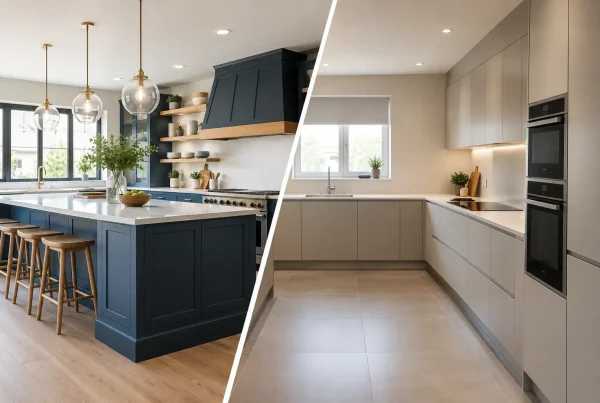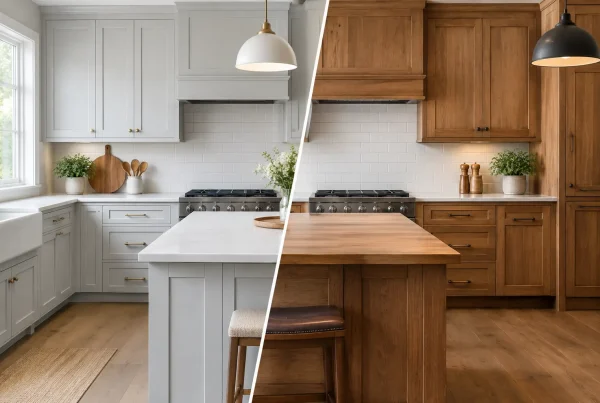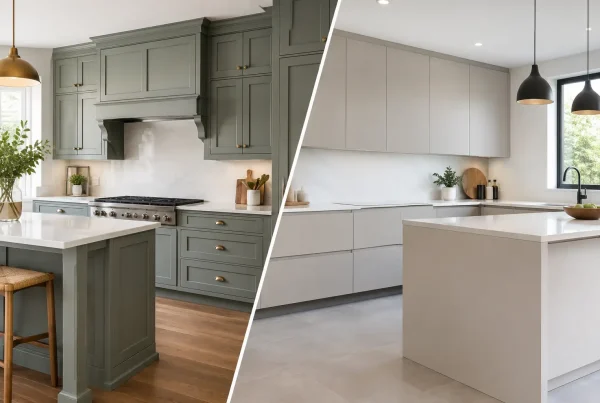


A kitchen project rarely begins with a simple need for more cupboards. It begins when the room no longer supports the way you live – when family meals feel cramped, preparation space is limited, or a beautiful period home deserves a kitchen with more presence. Searching for luxury kitchen designers near me is a sensible first step, but the right choice should offer more than attractive displays and a catalogue of finishes.
A truly considered kitchen needs to respond to your home, routines and expectations for the years ahead. For homeowners across Cumbria, the Lake District, Dumfries and Galloway and Northumbria, local knowledge can be as valuable as design flair. These seven questions will help you recognise a design partner who can bring together style, practical planning and careful installation.
1. Will they design around the way you live?
Luxury is not defined by a particular door style, worktop or appliance brand. It is felt in the ease of using the room every day. A well-designed kitchen considers who cooks, how many people gather, whether children need a place for homework, and how often you entertain. It should make the ordinary moments feel better planned.
Ask a designer how they begin a project. The answer should involve a conversation about your household before product choices are discussed. A young family may need a generous island with durable surfaces and space to sit together. A couple renovating a rural property may place greater value on a sociable cooking area, a discreet utility zone and cabinetry that suits the character of the building.
The best layouts are not copied from a showroom. They are drawn around the proportions, natural light and architectural details of your own home.
2. Can they show you how the layout will work?
A kitchen can look impressive in a visual presentation while falling short during a busy morning. Before settling on a design, ask to be taken through the movement of the room: where shopping will be unpacked, where bins will sit, how the dishwasher opens, and whether there is enough clear space around an island or dining table.
This is particularly important in older homes, where walls may not be square and existing features can shape the available footprint. In a contemporary extension, there may be more freedom, but larger open-plan rooms need careful zoning so the kitchen feels connected to the living space without becoming visually overwhelming.
Good designers will explain the reasoning behind each decision. They should be comfortable refining the plan when a practical concern emerges, rather than defending an image-led layout that does not suit your daily life.
3. Are the materials chosen for both beauty and use?
The most successful luxury kitchens balance visual impact with honest practicality. A pale timber finish may bring warmth to a Lake District home; a painted classic kitchen can complement a period property; a sleek handleless scheme may suit a modern renovation. Yet every material needs to earn its place.
Ask how a proposed worktop, door finish or flooring will perform in the conditions of your household. Natural stone has character and depth, for example, but it may require more attention than some engineered alternatives. A matt cabinet finish can look beautifully understated, although its suitability will depend on the colour and how heavily the kitchen is used.
There is no single right answer. The important point is that your designer explains the trade-offs clearly, allowing you to choose finishes with confidence rather than being persuaded by appearance alone. Quality should be visible, but it should also stand up to real life.
4. Do they provide a complete service?
A kitchen installation involves far more than fitting cabinets. There may be electrical work, plumbing, flooring, plastering, decorating, appliance coordination and alterations to suit the final design. Managing those elements yourself can be stressful, particularly when timings change or one decision affects another trade.
Ask exactly what is included from the first consultation through to completion. A full-service kitchen company should set out who is responsible for survey work, design development, supply, fitting and the coordination of associated work. It should also be clear about what sits outside the agreed scope, so there are no awkward assumptions later.
An end-to-end approach brings reassurance because the people responsible for the design understand how it will be installed. It also creates accountability. If a detail needs resolving on site, there is a clear team to speak to rather than a chain of separate suppliers.
5. Can you see and feel the quality before committing?
Images are useful for inspiration, but they cannot tell you how a painted finish feels, how well a drawer operates or how a worktop catches the light. A showroom visit gives you the chance to compare styles at a comfortable pace and discuss the details that photographs often miss.
When visiting, look beyond the overall scheme. Notice cabinet construction, internal storage, handles, hinge action and the way colours work beside one another. Ask to see options that fit the style of your home, not simply the latest trend. A luxurious kitchen should still feel right when fashions move on.
A local showroom also gives the design process a useful sense of continuity. You can return to confirm a finish or compare samples in changing light, rather than making every decision from a screen at home.
6. What does their installation standard look like?
Even exceptional cabinetry can be undermined by rushed fitting. Precise alignment, clean finishing around walls and floors, considered appliance integration and respectful work on site are what turn a good design into a finished room that feels settled and complete.
Ask to see completed projects and listen for detail in the way the company describes installation. Do they talk about protecting your home, communicating throughout the work and dealing carefully with the inevitable surprises that can arise during renovation? These are often the signs of a team that takes pride in the result rather than simply working towards a handover date.
For homes in the region, local experience matters here too. A designer and installation team familiar with traditional properties, rural access and the practicalities of renovating older buildings is better placed to plan realistically from the outset.
7. Will you have a personal point of contact?
A kitchen project is a significant investment, and it should not feel like a transaction. You need to be able to ask questions, test ideas and raise concerns without being passed between departments. A family-run business can offer a particularly personal level of accountability, because its reputation is built project by project within the local area.
At Lakeland Kitchens and Bathrooms, the starting point is an appointment where your plans, preferences and home can be discussed properly. That time is valuable. It gives the designer a chance to understand what matters to you, and gives you a clearer sense of whether the relationship feels right.
Choosing local luxury kitchen designers with confidence
The nearest option is not automatically the best one, but proximity becomes meaningful when it is paired with considered design, a well-presented showroom and a team that will see the work through with care. A local partner can understand the character of the area, visit when needed and remain available after installation.
Before booking an appointment, gather a few photographs of your current room, note what frustrates you most and save images that capture the atmosphere you want to create. You do not need to arrive with a finished brief. The right designer will help you shape it into a kitchen that looks considered, works beautifully and feels entirely at home in your property.