
A bathroom can look impressive on a showroom display and still fall short in daily life. The difference is in the planning: where the light falls, whether the shower has enough pressure, how storage works on a busy morning, and how every finish sits together. Choosing bathroom designers Cumbria homeowners can trust is about finding people who understand both the beauty of the finished room and the detail behind it.
For a main bathroom, an ensuite or a complete renovation, a considered design process protects the investment. It replaces hurried decisions and mismatched products with a room that feels calm, personal and built for the way you live.
What Good Bathroom Designers in Cumbria Should Consider
A successful bathroom begins with the room itself, rather than a fixed idea of what it ought to contain. A compact ensuite may benefit from a walk-in shower, wall-hung basin and carefully planned recessed storage. A generous family bathroom may need a separate bath, an easy-clean shower area and enough cabinetry to keep everyday essentials out of sight.
Cumbria’s homes bring their own character and practical considerations. A period property may have uneven walls, unusual window positions or a layout that needs thoughtful adaptation. Rural homes can also need close attention to water pressure, drainage and ventilation. These details should shape the design from the outset, not become expensive discoveries once installation is under way.
The best layouts create a sense of space without sacrificing usefulness. That might mean keeping clear sightlines from the doorway, placing a statement bath where it can be appreciated, or using fitted furniture to make an awkward corner work harder. It is rarely about adding more to the room. It is about choosing the right elements and giving each one enough room to breathe.
Design for daily routines, not just first impressions
Think through the busiest moments in the day. Can two people comfortably use the room at once? Is there a place to hang towels within reach of the shower? Will children be able to access what they need without every surface becoming cluttered?
Small decisions have a lasting effect. Drawers are often more practical than deep cupboards. A mirrored cabinet can provide valuable storage while keeping the basin area refined. A shower niche avoids bottles gathering on the tray or floor, but it needs to be correctly positioned and waterproofed as part of the wider installation.
Start with a Clear Brief
Before choosing tiles or taps, establish what the new bathroom needs to achieve. Some homeowners want a luxurious retreat at the end of the day; others need a reliable, hard-working space that feels organised during family life. Most want both, and a good brief makes the balance clear.
Consider how long you expect to remain in the property, who will use the bathroom and which frustrations you want to remove. It may be a lack of storage, a dated suite, poor lighting or a shower that never feels quite right. These priorities help guide where to invest and where a quieter choice will serve the room better.
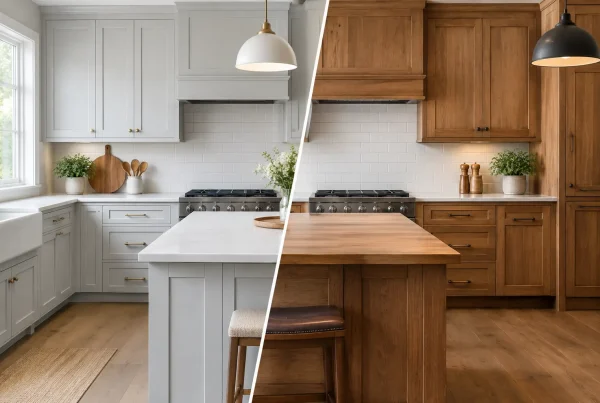
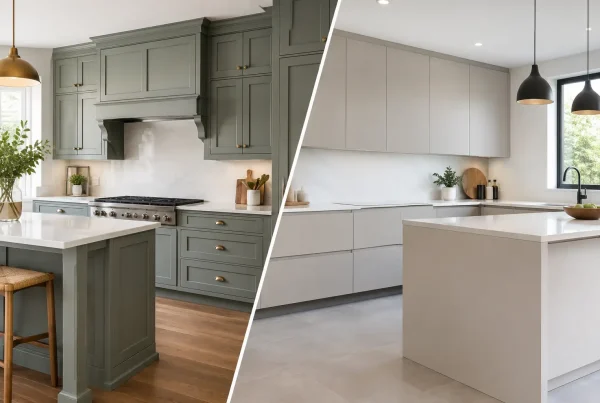
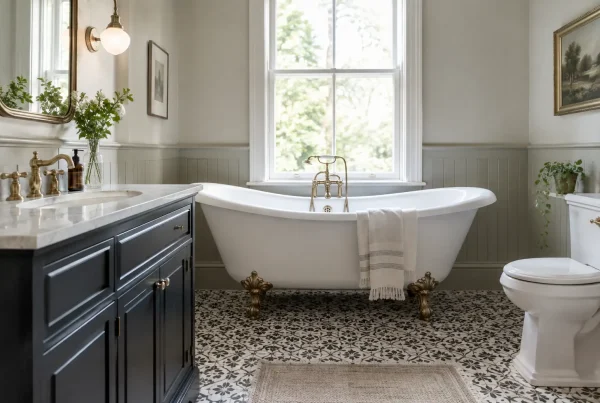
Bring inspiration to a consultation, but do not feel tied to one image. A dark, dramatic scheme may suit a large room with good natural light, while a softer palette and warm metallic details can bring depth to a smaller space. The goal is not to copy a photograph. It is to create a bathroom that belongs in your home.
Set a realistic investment level early
Bathroom projects involve far more than sanitaryware and tiles. The budget may also need to cover plumbing alterations, electrical work, waterproofing, flooring preparation, ventilation, lighting, furniture, fitting and finishing details. Moving a toilet or shower can transform a layout, but it may require more extensive work beneath the floor or within the walls.
Being open about your intended investment allows the design to be shaped intelligently. A skilled designer can help decide whether it is better to prioritise a beautifully made vanity unit, high-quality brassware, underfloor heating or a larger shower area. There is no single right answer. It depends on the room, the property and what will make the greatest difference to everyday enjoyment.
Choose Materials That Will Age Well
A refined bathroom is not reliant on a passing trend. It is built around materials and colours that still feel considered years later. Natural stone effects, textured porcelain, timber tones, softly veined surfaces and well-chosen painted finishes can all bring character without overwhelming the room.
Porcelain is a popular choice for good reason. It is durable, versatile and available in finishes that create the look of stone, concrete or timber with straightforward care. Large-format tiles can make a compact bathroom feel more expansive by reducing grout lines, although they require accurate setting out and suitable wall conditions. Smaller tiles can bring texture and detail, particularly in shower areas, but introduce more grout to maintain.
Brassware deserves the same attention as the larger features. Chrome remains timeless and easy to coordinate, while brushed brass, nickel and darker finishes can lend warmth or contrast. Whichever finish you choose, consistency matters. Mixing metals can be elegant when intentional, but accidental variations can make a carefully designed room feel less resolved.
Lighting changes everything
A bathroom needs more than a central ceiling light. Layered lighting is more flattering, more useful and more atmospheric. Practical illumination around the mirror supports shaving, skincare and make-up, while softer lighting elsewhere helps the room feel restful in the evening.
Lighting near water must be specified and installed correctly for its location. This is one reason it pays to consider the electrical plan at the design stage, alongside mirrors, niches and cabinetry. It avoids compromised positions and visible additions later on.
Why Installation Is Part of the Design
Even the most beautiful plan relies on careful fitting. Tiles need precise alignment, furniture must be level, silicone work should be neat, and concealed plumbing has to be dependable long after the room is finished. These are not minor details. They are the difference between a bathroom that photographs well and one that performs well for years.
A managed installation also reduces the strain of coordinating separate trades. Bathroom work can involve fitters, plumbers, electricians, tilers, decorators and flooring specialists, often in a sequence that cannot be rushed. When one experienced team oversees the project, decisions can be resolved promptly and the original design intent is less likely to be diluted along the way.
Ask how unforeseen issues are handled, particularly in older properties. Hidden pipework, subfloor repairs and wall preparation are sometimes only revealed once the existing bathroom is removed. A professional approach does not promise that every renovation will be without surprises. It provides clear communication, sensible options and careful solutions when they arise.
Questions Worth Asking Before You Commit
The right conversation should leave you feeling informed rather than pressured. Ask to see examples of completed bathrooms that reflect the level of finish you are hoping for. Discuss who will manage the work, what is included in the quotation and how the programme will be communicated.
It is also worth asking about product quality, warranties and aftercare. A luxurious bathroom is a long-term addition to the home, so reassurance should extend beyond the installation day. You should know who to contact if you have a question once the room is in use.
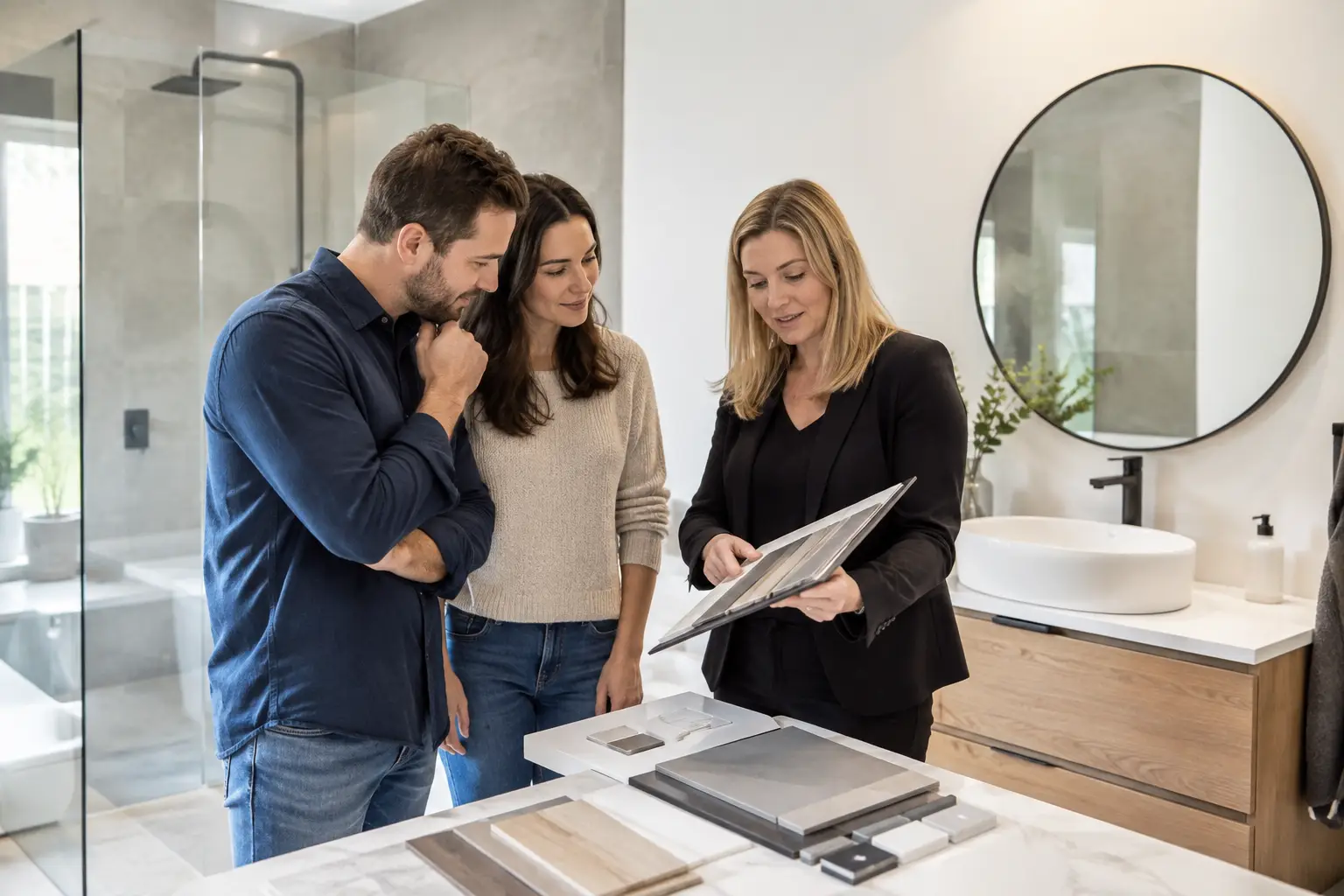
For many homeowners, visiting a showroom is the most useful next step. Seeing furniture finishes, tile textures and brassware in person gives a far clearer sense of scale and quality than images alone. It also allows ideas to develop naturally, with expert guidance around what will work in the space available.
Lakeland Bespoke Interiors approaches each bathroom as a personal project, combining design guidance, carefully selected products and fitting carried out with care. Whether you are renovating a Lake District property, updating a family bathroom or creating a calm ensuite, begin with the way you want the room to feel each day. The right design will make that feeling part of everyday life.