
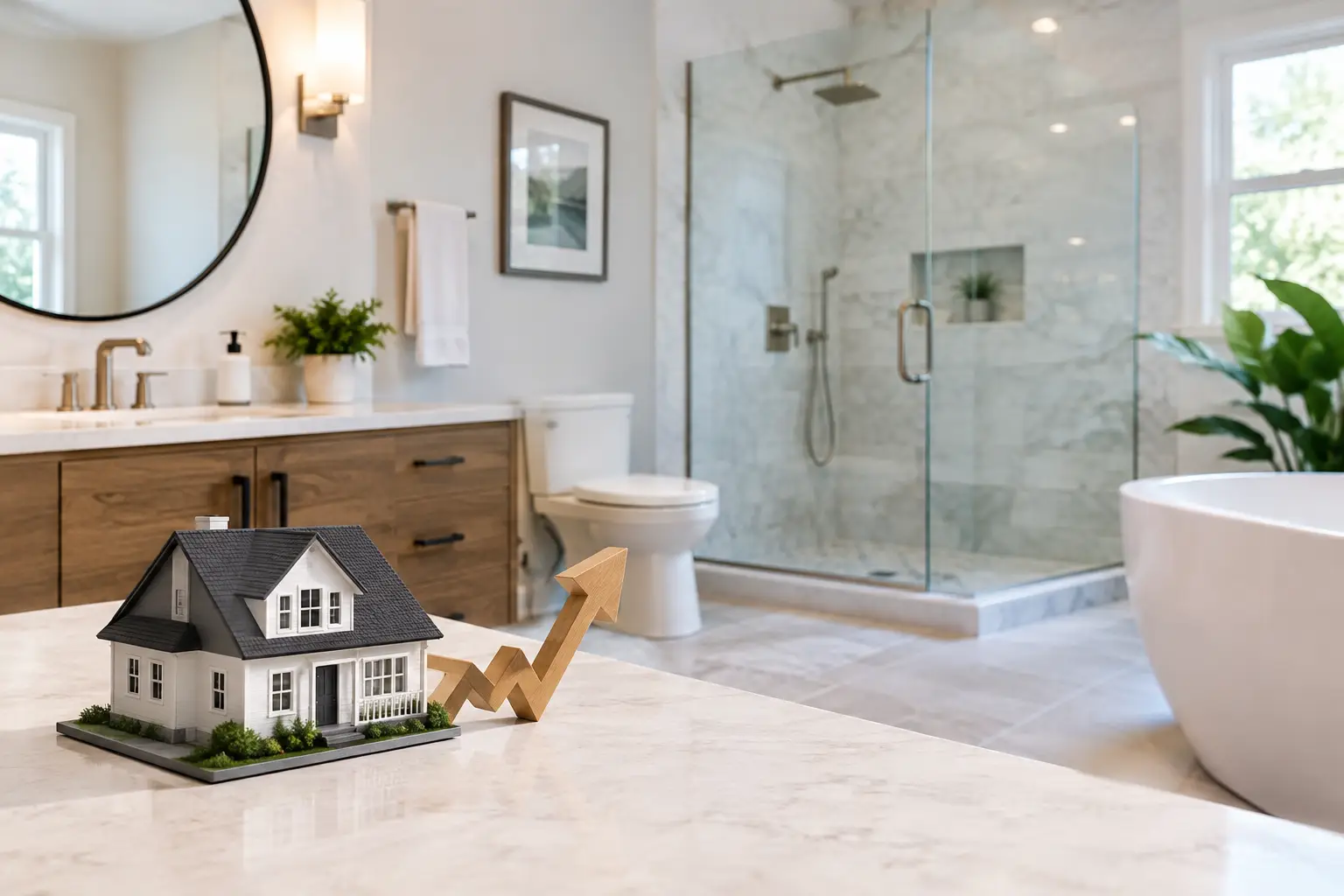
A tired bathroom can make an otherwise beautifully kept home feel unfinished. Peeling sealant, poor lighting, dated sanitaryware and limited storage are noticed quickly, particularly by buyers comparing several properties in one day. So, can bathrooms increase property value? They can, but the strongest results come from a bathroom that is thoughtfully designed for the house, well fitted and likely to remain appealing for years rather than seasons.
For homeowners planning a refurbishment, value is not simply about spending more. It is about making the room more useful, more comfortable and more in keeping with the standard of the property. A carefully considered ensuite in a family home, for example, may have a different impact from a high-specification main bathroom in a period Lake District property.
Can bathrooms increase property value in every home?
A new bathroom is unlikely to add a fixed percentage to every property. Local demand, the condition of the rest of the home, the number of bathrooms already available and the quality of the work all influence the outcome. However, a well-designed bathroom can support a stronger asking price and, just as importantly, make a property easier to sell.
Buyers often see bathrooms as expensive and disruptive rooms to alter. If they walk into a space that feels clean, calm and complete, they can picture living there without immediately adding renovation costs to their mental calculations. That confidence has real value, even when it is difficult to separate from the overall impression of the home.
In premium homes, particularly those with generous bedrooms or beautiful views, an undersized or dated bathroom can create a mismatch. Updating it brings the experience of the property back into balance. In more modest homes, practical improvements such as better storage, a proper shower enclosure and effective ventilation can be every bit as persuasive as luxury finishes.
The bathroom improvements buyers tend to value
A bathroom does not need to be oversized to feel considered. Good proportions, sensible storage and a clear layout often matter more than filling the room with features. A vanity unit that keeps everyday items out of sight, for instance, can make a compact room feel calmer and more generous.
A layout that works every day
The most successful refurbishments solve genuine frustrations. Perhaps the bath takes up too much room, the shower is difficult to use, or there is nowhere to place towels and toiletries. Replanning the layout can transform how the room feels, but moving plumbing adds cost and should be weighed against the benefit.
Where space allows, a separate shower is frequently desirable, especially in a main family bathroom. Yet removing the only bath from a house can narrow its appeal to families with younger children. A shower over a well-proportioned bath may be the more balanced choice where there is only one bathroom.
Quality that can be seen and felt
Buyers may not know the name of every brassware manufacturer, but they recognise solid doors, neatly aligned tiles, smooth-running drawers and fittings that feel substantial. Quality is communicated through the details: crisp grouting, well-finished edges, carefully positioned lighting and silicone work that is tidy rather than conspicuous.
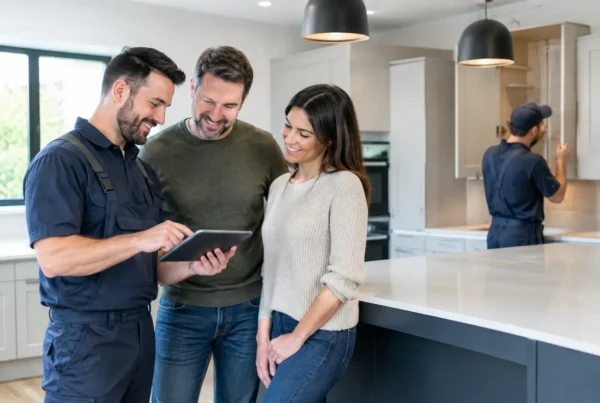
This is why professional installation matters as much as the products selected. A beautiful basin or statement tile loses its impact if the room is poorly fitted. Equally, dependable waterproofing, plumbing and ventilation protect the investment long after the room is complete.
Timeless style over short-lived fashion
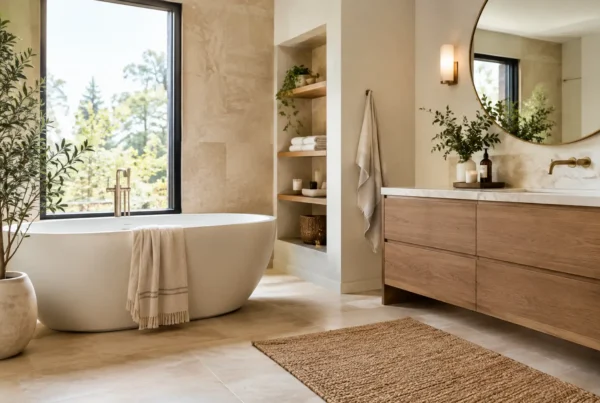
A bathroom should feel individual without becoming difficult for a future buyer to imagine as their own. Natural stone effects, warm neutral tones, painted cabinetry, brushed metal finishes and textured tiles can create depth while retaining broad appeal.
That does not mean every bathroom needs to be plain. A confident colour on a vanity, a patterned floor or a distinctive wall finish can bring personality to the scheme. The key is restraint and cohesion. Choose a feature that complements the architecture and light of the room, rather than several competing ideas.
Comfort and efficiency
Underfloor heating, heated towel rails, layered lighting and good extraction all improve the daily experience. These are not always the features that sell a room in a photograph, but they are memorable during a viewing and rewarding once a homeowner has moved in.
Efficiency also deserves attention. Modern shower fittings, sensible lighting choices and improved ventilation can help a bathroom feel current and responsibly specified. They should be selected for performance, not simply as a sales point.
Where a bathroom renovation can fall short
It is possible to overinvest. A highly elaborate bathroom may be a pleasure to own, but it will not always return its full cost at sale, especially if the rest of the property has not been updated to a comparable level. The aim is to enhance the home as a whole, not create one room that feels disconnected from it.
There is also a difference between a luxury bathroom and a costly one. Bespoke joinery, exceptional materials and refined fittings are worthwhile when they bring enduring function and finish. Spending heavily on features that reduce usable space or date quickly is less likely to be rewarded.
Poor planning can have the opposite effect. Dark finishes in a room with little natural light, insufficient storage, awkward door clearances and impractical open shelving all create friction. Before choosing finishes, establish how the room will be used – by children, guests, visiting family or as a private ensuite retreat.
Add value by matching the room to the property
The right bathroom for a rural period home may take cues from its character through warmer finishes, traditional silhouettes or cabinetry with furniture-like detail. A contemporary new-build might suit cleaner lines, integrated storage and larger-format surfaces. Neither approach is inherently more valuable. What matters is that the design feels appropriate and expertly resolved.
Think about the number and role of the bathrooms, too. A downstairs cloakroom benefits from personality and durability, while a principal ensuite may justify a more indulgent brief. In a house with several bedrooms but only one bathroom, creating an additional ensuite or shower room can be especially appealing, provided the space is not taken from an essential bedroom or living area.
For homes across Cumbria, the Lake District, Dumfries and Galloway and Northumberland, practical details can carry particular weight. Easy-clean finishes after muddy walks, generous towel storage, dependable heating and ventilation, and materials suited to daily family life all make a thoughtful difference.
Plan for value before choosing tiles
Start with the wider property. Consider what a buyer or future owner would reasonably expect for the home’s size, location and price bracket, then decide where the bathroom sits within that picture. This helps keep the budget proportionate while leaving room for the details that elevate the finished space.
A useful design brief covers four areas:
- who will use the bathroom and how often;
- what is currently frustrating or underperforming;
- which elements must be durable for the long term; and
- where a more distinctive finish would make the greatest difference.
Bringing those decisions together early prevents expensive changes during installation. It also makes it easier to achieve a coherent result, from layout and lighting to cabinetry, tiles and brassware.
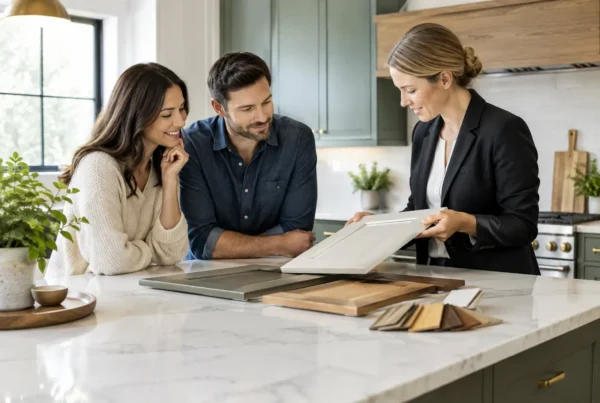
A showroom appointment can be valuable at this stage because materials are best judged in person. The warmth of a finish, the scale of a tile and the feel of a handle are difficult to assess on a screen. At Lakeland Bespoke Interiors, the design conversation can connect those choices to the realities of your space, budget and lifestyle before fitting begins.
Think beyond the sale price
Property value is not only measured when an estate agent visits. A bathroom that works beautifully can make mornings less rushed, guests more comfortable and time at home more enjoyable. It can also remove a major future project from the list, whether you stay for two years or twenty.
The best investment is therefore rarely the most expensive bathroom. It is the one designed with care for the house and the people who live in it – finished to a standard that continues to feel right long after the first reveal.