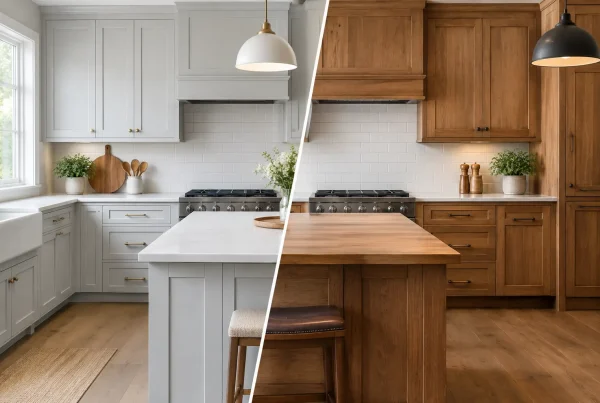

A beautiful kitchen is often decided in the details you notice without quite knowing why: the fine shadow line around a door, the feel of a solid drawer, or the calm order of cabinetry fitted precisely into the room. When weighing up in-frame versus lay-on kitchens, the choice is about more than appearance. It affects the character, cost, capacity and long-term feel of the space.
Both styles can be made to an exceptional standard and designed around the way your household lives. The right answer depends on your property, the look you are drawn to and where you want to place your investment.
What is an in-frame kitchen?
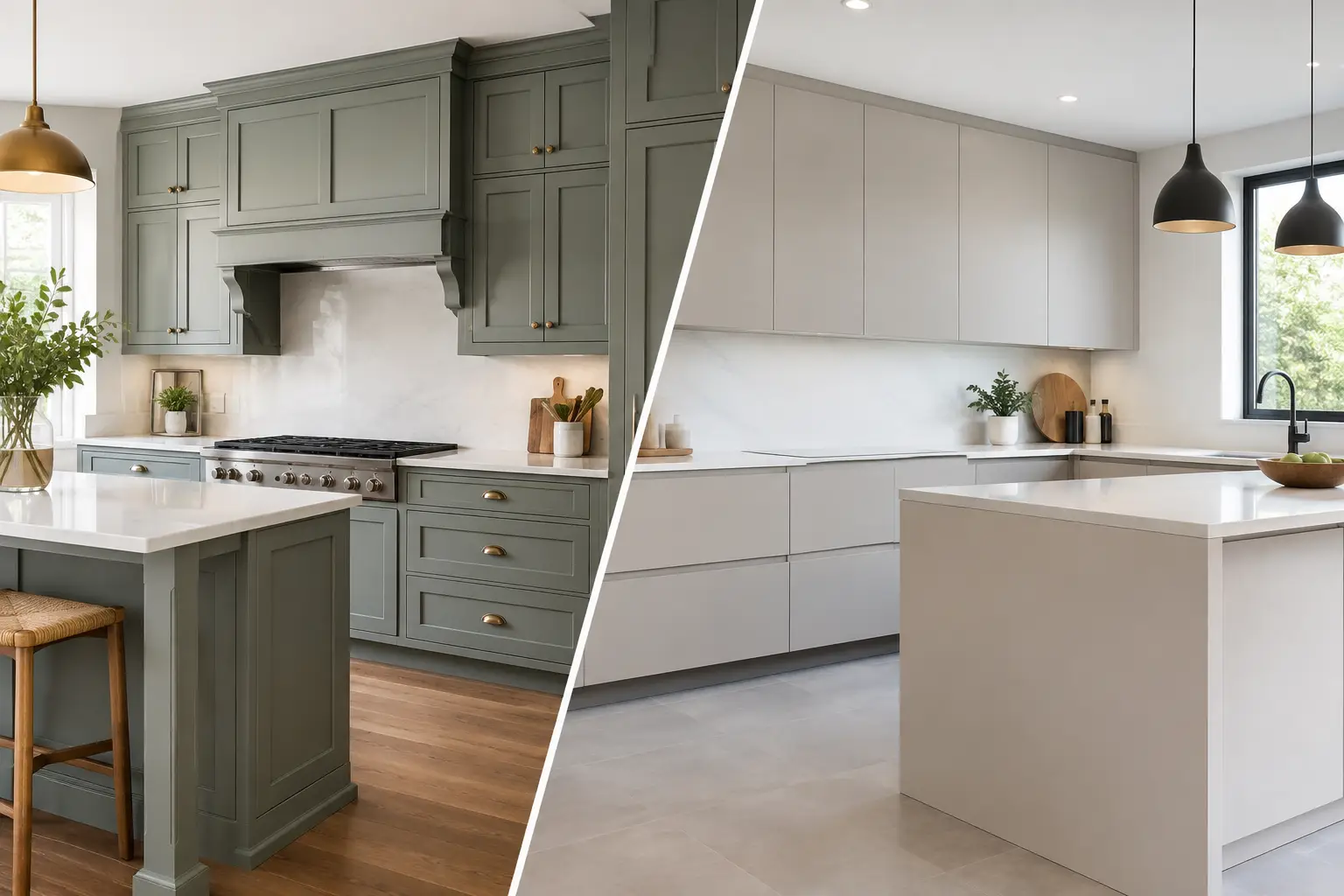
An in-frame kitchen has cabinet doors and drawer fronts set within a visible frame at the front of each cabinet. This frame creates a neat border around every door, giving the cabinetry depth and a distinctive, furniture-like quality.
Traditionally associated with finely made painted kitchens, in-frame cabinetry is especially at home in Georgian, Victorian, farmhouse and country properties. Yet it is not restricted to classic interiors. In a pared-back colour palette with simple door detailing and discreet hardware, it can feel considered and quietly contemporary.
The visible frame is the signature feature. It produces small, even gaps between doors and drawers, creating shadow lines that bring rhythm and definition to a run of cabinetry. On a large kitchen, island or larder wall, this structure can make the whole room feel more substantial.
Why homeowners choose in-frame cabinetry
In-frame kitchens have a crafted, enduring presence. They suit homes where the kitchen is intended to feel like part of the architecture rather than a collection of units. A hand-painted finish, aged brass knobs or a timber worktop can heighten that effect, while stone, nickel or darker painted finishes can take the design in a more tailored direction.
The construction also supports a sense of quality. Doors sit within the cabinet frame rather than covering its front edge, so alignment and fitting need to be carefully managed. When beautifully specified and installed, the result feels precise, weighty and refined.
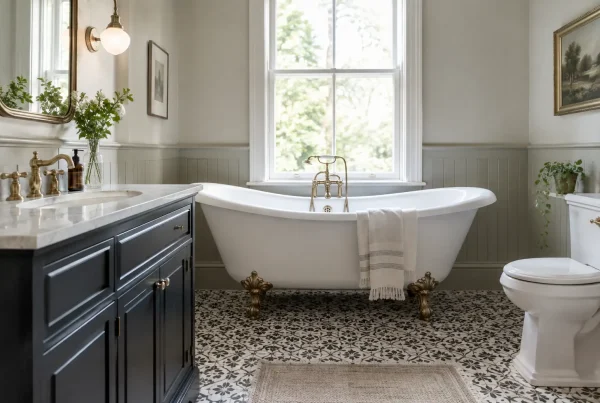
For period homes across Cumbria and the Lake District, in-frame cabinetry can sit particularly well alongside original joinery, beams, sash windows or stone floors. It adds character without needing to imitate every historical detail.
Points to consider
The frame takes up a small amount of usable width within each cabinet. This is rarely a deciding factor in a generous room, but in a compact kitchen every millimetre matters. A thoughtful plan can still provide excellent storage, though it may influence the internal drawer sizes or the best use of a narrow space.
In-frame cabinetry also tends to cost more. The materials, manufacturing precision, finishing and installation involved are greater, and this should be allowed for from the first design conversation. It is an investment in construction as well as style.
Because the doors sit inside a frame, they can require occasional adjustment over time, particularly in homes where changes in temperature and humidity affect natural materials. This is not a flaw, but a normal part of owning a finely made kitchen. Good fitting and appropriate aftercare make a real difference.
What is a lay-on kitchen?
A lay-on kitchen, also called an overlay kitchen, has doors and drawer fronts that sit over the front of the cabinet carcass. The cabinet frame is largely concealed when the doors are closed, creating a cleaner, flatter appearance.
This is a versatile construction used across contemporary, modern Shaker and more traditional kitchen designs. It can be elegant and understated, whether finished in warm oak veneer, a rich matt paint, textured laminate or a smooth lacquered surface.
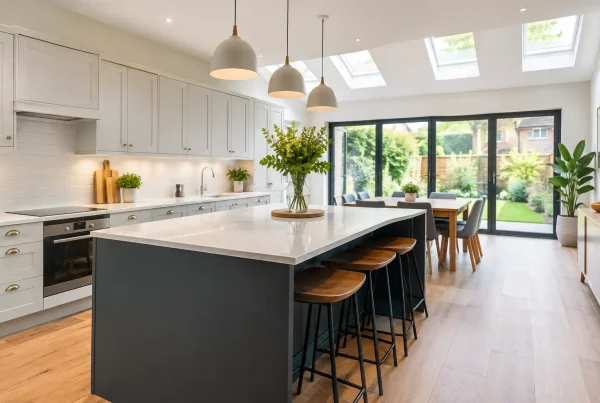
With less visible framework, the focus falls on the door style, colour, handles and worktops. A lay-on kitchen can therefore work beautifully where the aim is a calm architectural backdrop, particularly in open-plan spaces with strong views, statement lighting or an island at the centre of the room.
Why lay-on kitchens are so flexible
Lay-on cabinetry generally offers slightly more internal storage space because there is no front frame reducing the cabinet opening. This can be useful for wide pan drawers, integrated bins, compact utility areas and kitchens where every cupboard needs to work hard.
It is also often the more budget-conscious route, although the final price will always depend on the chosen materials, internal fittings, appliances, worktops and layout. A well-designed lay-on kitchen should never feel like a compromise. It simply places the emphasis on a different kind of detail.
The contemporary appeal is clear: uninterrupted lines, crisp proportions and the ability to create a more minimal look. Handleless styles are typically lay-on, although slim handles or knobs can give the same cabinetry a softer, more familiar feel.
Points to consider
Lay-on doors can feel less overtly traditional than in-frame cabinetry. If you are restoring a period property and want the kitchen to have the presence of fitted furniture, an overlay style may need more careful detailing through colour, cornices, end panels and hardware.
Door and drawer alignment is still important, but the visual effect is different. The small gaps between fronts are more prominent than a visible frame, so a high-quality installation remains essential. In a luxury kitchen, clean lines only look effortless when they have been measured, planned and fitted with care.
In-frame versus lay-on kitchens: the design decision
Start with the house rather than a trend. An in-frame kitchen can bring warmth and permanence to a country home, a barn conversion or a period townhouse. It works especially well when the room calls for softness, depth and a sense of tradition.
A lay-on kitchen often suits newer extensions, contemporary homes and open-plan kitchen-living spaces. Its simpler front can make a room feel more spacious and composed, particularly when cabinetry is paired with full-height appliance housing, integrated lighting and uncluttered surfaces.
That said, there are no fixed rules. A contemporary in-frame kitchen in deep green or charcoal can look striking in a modern setting. Equally, a lay-on Shaker kitchen in a gentle neutral can feel entirely at ease in an older home. The quality of the proportions and the relationship with the room matter more than a label.
Consider how you use the room
For a busy family kitchen, both options can be highly practical. Deep drawers, a well-planned pantry, accessible storage and durable work surfaces will have more impact on everyday life than the door construction alone.
If you are drawn to painted cabinetry, consider the level of texture and character you want. In-frame designs naturally show more articulation, while lay-on doors create a broader sweep of colour. If you prefer timber, lay-on fronts can provide an especially uninterrupted grain pattern, whereas in-frame timber cabinetry may feel more like traditional furniture.
Think about the visual scale, too. In-frame detailing can be wonderfully expressive on a large island or tall larder bank, but may feel busy in a very small room if combined with ornate doors, strong colour and prominent hardware. In a compact kitchen, a restrained in-frame door or a simple lay-on design may give the room more breathing space.
Cost, longevity and value
It is tempting to treat in-frame as the premium choice and lay-on as the practical alternative, but the reality is more nuanced. A bespoke lay-on kitchen with exceptional materials, thoughtfully engineered interiors and expert installation can be every bit as luxurious as an in-frame scheme.
In-frame cabinetry commonly carries a higher cost because of its construction and detailed finishing. For many homeowners, that investment is worthwhile for the depth, character and traditional joinery feel it provides. Lay-on cabinetry can direct more of the budget towards features such as a standout worktop, a generous island, specialist storage or higher-specification appliances.
Longevity comes from good design, well-chosen materials and professional fitting in either case. Choose a style you will continue to enjoy after colours and fashions have shifted. A kitchen should feel right for your home, not simply right for the moment.
See the detail before you decide
Photographs can show the overall look, but they cannot replace standing in front of a cabinet door, seeing the shadow line or opening a drawer for yourself. Comparing samples in a showroom also makes it easier to judge paint colours, timber tones, handles and worktops in combination.
A considered design appointment can establish whether your room calls for the framed elegance of an in-frame kitchen or the clean versatility of a lay-on design. At Lakeland Bespoke Interiors, that conversation begins with your home, your priorities and the way you want the finished room to feel.
The best choice is the one that makes you pause at the doorway years from now and feel that the kitchen belongs there.