
A worktop is where the everyday life of a kitchen happens: morning coffee, homework, pastry rolling, flower arranging and the occasional hurried supper. Knowing how to choose kitchen worktops means looking beyond the showroom sample to consider how a material will feel, wear and sit within the whole room for years to come.
The right choice should bring together practical demands and the atmosphere you want to create. A beautifully veined stone may be perfect for a calm, considered entertaining space, while a forgiving quartz or porcelain surface can make better sense in a busy family kitchen. Neither is automatically better – the best worktop is the one that suits your home and the way you use it.
Start with the way you use your kitchen
Before comparing colours or requesting samples, think honestly about your kitchen routine. Do you cook from scratch most evenings? Are children likely to leave drinks, school bags and craft projects on the island? Is the kitchen a sociable room for relaxed weekends, or a refined space used mainly for hosting?
Heat, moisture, sharp knives, wine, oils and heavy cookware all affect the right specification. A keen cook may prioritise heat resistance around the hob and durability beside the sink. For households that value low-maintenance living, a non-porous engineered surface can offer welcome reassurance. If character and the gentle signs of age are part of the appeal, natural timber or stone may be worth the additional care.
It also helps to consider the work zones rather than treating every surface in the same way. An island used for serving and gathering can carry a more expressive material, while the hard-working perimeter may benefit from something especially practical. In a bespoke kitchen, these choices can be designed to work together rather than forcing one material to do every job.
How to choose kitchen worktops by material
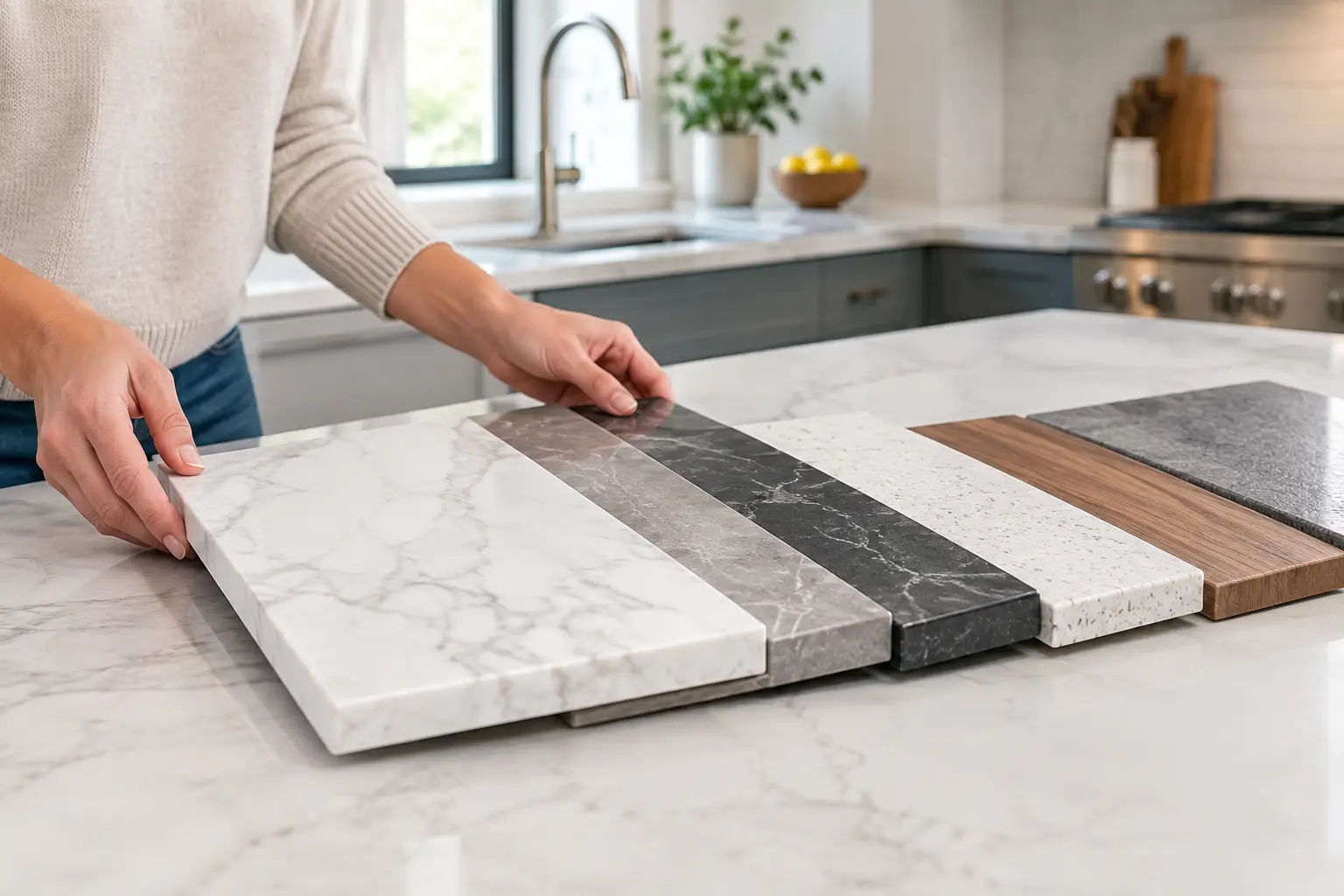
Each material has a distinct character, as well as practical strengths and limitations. Seeing full samples in natural light is essential, particularly in Cumbria and the Lake District, where changing daylight can alter the appearance of colour and veining across the day.
Quartz for dependable everyday luxury
Quartz remains a popular choice for good reason. It is an engineered surface with a consistent finish, strong resistance to staining and a wide choice of colours, from quiet pale neutrals to dramatic marble-inspired patterns. Its non-porous nature makes it straightforward to live with, requiring only regular cleaning with a mild product and soft cloth.
It is particularly well suited to family kitchens and contemporary schemes where a crisp, controlled appearance is desired. However, quartz is not invincible. Very hot pans should not be placed directly on it, and its pattern can sometimes feel more uniform than a natural material. Quality and slab selection matter greatly, especially where veining needs to flow across an island or upstand.
Natural stone for individual character
Granite, marble and quartzite offer depth that cannot be replicated exactly. Every slab is individual, bringing mineral variation, movement and a sense of permanence to a kitchen. Granite is traditionally valued for its strength, while quartzite can provide striking natural patterning with excellent durability.
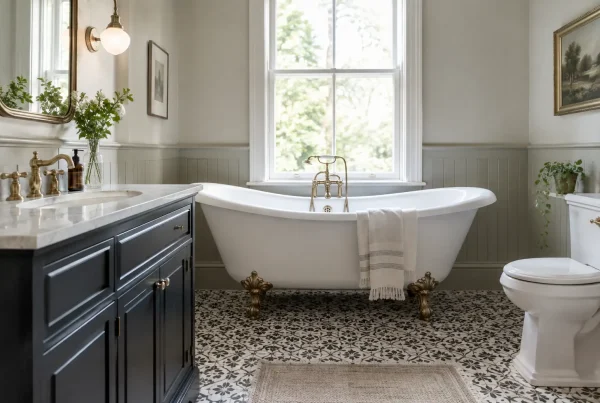
Marble has a softer, more classic beauty and works wonderfully in period properties or kitchens designed around a timeless, collected feel. It does require an accepting approach to maintenance. As a more porous and reactive stone, marble can etch or mark from acidic foods and liquids. For some homeowners, this evolving patina is part of its charm; for others, it may cause unnecessary worry.
Natural stone normally needs sealing and thoughtful care. It is an investment in individuality, not a surface that should be expected to remain perfectly unchanged.
Porcelain for heat and stain resistance
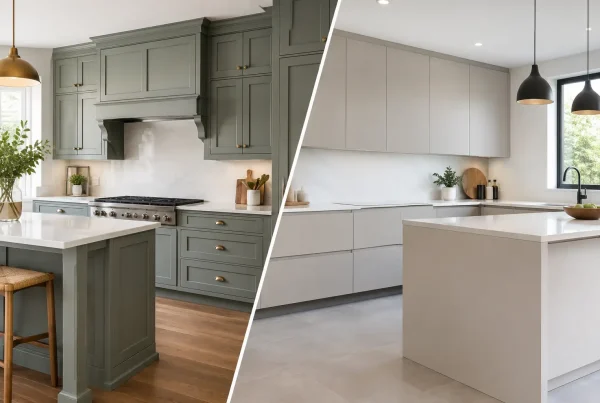
Porcelain worktops are increasingly specified for their refined appearance and impressive technical performance. They are highly resistant to heat, scratches, staining and UV light, making them a strong option for kitchens that open onto gardens or receive generous sunlight. Slim porcelain can also create a sleek, architectural edge in a contemporary home.
The material is harder and more brittle at the edges than some alternatives, so precise professional fabrication and installation are vital. Its look can range from convincing natural stone effects to understated concrete and soft plain finishes. A larger sample will help reveal whether the print and texture feel right at kitchen scale.
Timber for warmth and softness
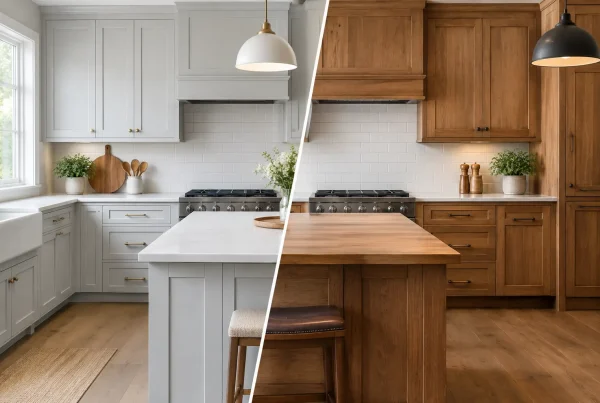
A timber worktop brings immediate warmth to painted cabinetry, stone floors and otherwise streamlined spaces. Oak, walnut and other hardwoods can be beautiful on an island, breakfast bar or baking area, particularly in country and period homes.
Timber needs regular oiling to protect it from moisture, and standing water around a sink should be avoided. It can also dent, scratch and change colour over time. These are not necessarily drawbacks – they are the marks of a living material – but they should be chosen with open eyes. Many homeowners enjoy combining timber with a more resilient surface near the sink and hob.
Laminate and solid surface for flexibility
Modern laminate has moved far beyond the designs many people remember. It can offer convincing stone, wood and textured finishes at a more accessible price point, with easy day-to-day maintenance. It is a sensible option where budget needs to be directed towards cabinetry, appliances or a larger room reconfiguration.
Solid surface materials offer a smooth, contemporary look with near-invisible joins and integrated sink options. They can often be repaired if scratched, although they are less resistant to heat and heavy impact than stone or porcelain. Both choices can look highly considered when selected as part of a well-designed scheme.
Consider colour, pattern and proportion together
A worktop is a large visual plane, not a small sample. Its scale means it can either settle the whole kitchen or become its focal point. In a room with richly grained cabinetry, patterned flooring or statement tiles, a quieter surface often allows the design to breathe. Conversely, simple painted or matt cabinetry may be the ideal backdrop for expressive veining or a richly toned natural stone.
Think about undertones as carefully as the main colour. A pale worktop may lean warm, cool, pink, grey or cream, and these differences become clear beside cabinet doors, handles and flooring. Take samples home where possible and view them morning, afternoon and evening. Artificial lighting can make a cool white worktop appear blue, while warm lighting may bring out yellow tones that were not obvious in the showroom.
Thickness changes the feel, too. A slim 12mm profile is clean and contemporary, particularly with porcelain. A deeper 20mm or 30mm worktop has more visual weight and can feel appropriate in a traditional kitchen. Mitred edges can create the appearance of a substantial, monolithic island without requiring a full-thickness slab throughout.
Do not overlook edges, splashbacks and joins
Details make a considerable difference to the finished result. A softly rounded edge may suit a classic shaker kitchen and feel more forgiving in a family home. A square, finely eased edge creates a sharper contemporary line. Waterfall ends, where the material continues down the side of an island, can be striking but need enough space and the right slab pattern to justify the effect.
Splashbacks deserve the same attention as the worktop itself. Continuing the chosen surface up the wall produces a calm, tailored look and protects the area behind the hob. A tiled splashback can add texture and colour, while a painted wall may keep the scheme lighter. The decision should be made early, as it affects slab quantities, wall preparation and the overall budget.
Joins are another practical consideration. Most worktops will require them, particularly in larger kitchens. A skilled fabricator will place joins discreetly, but the material, layout and pattern all influence how visible they are. Discuss this before committing to a slab, especially for strongly veined surfaces.
Set a budget that includes the complete installation
The quoted material price is only part of the picture. Templating, fabrication, cut-outs for sinks and hobs, edge detailing, delivery, fitting and any necessary support for an island should all be allowed for. A less expensive surface with numerous complex cut-outs may not represent the saving it first appears to be.
It is also worth deciding where the investment will have the greatest impact. For many kitchens, a beautifully chosen island worktop becomes the centrepiece, while a complementary material on the perimeter keeps the project balanced. This approach can create a layered, bespoke result without compromising on quality where it matters most.
Make the final decision with real samples
Photographs are useful for inspiration, but they cannot tell you how a worktop feels, reflects light or relates to your chosen cabinetry. Place larger samples beside door finishes, floor boards, paint colours and handles. If selecting natural stone, view the actual slab rather than relying on a small swatch. This is the only way to understand its movement, tone and distinctive markings.
At Lakeland Bespoke Interiors, the most successful kitchens are shaped through these considered decisions: seeing materials together, discussing everyday use and allowing the design to respond to the home. A worktop should feel like it belongs there, not simply like the final item selected from a list.
Give yourself permission to choose the surface you will enjoy using, not just the one that looks impressive on day one. When material, craftsmanship and daily life are in balance, the kitchen becomes easier to live in and more rewarding to come home to.