
A kitchen can look faultless in a brochure yet feel entirely different when you stand beside it. That is why kitchen showrooms remain such a valuable part of planning a considered renovation. They allow you to see the proportion of cabinetry, feel the finish of a door, compare worktops in natural light and imagine how the room may work around your own routines.
For a major investment, a showroom visit should be more than a pleasant afternoon spent choosing colours. It is the point at which early ideas become practical decisions, and where the quality of a design and installation service starts to reveal itself.
Why kitchen showrooms are worth your time
Online research is useful for finding inspiration, but it cannot tell you how a painted timber door feels, whether a handle is comfortable to use, or how a dark worktop will sit alongside warm flooring. Photography can also conceal the details that distinguish a well-made kitchen from a standardised one: neat joins, balanced proportions, drawer interiors and carefully considered storage.
A good showroom lets you assess these details at your own pace. You can open drawers, look inside cupboards and see how different materials work together. This matters particularly in period homes, rural properties and rooms with unusual layouts, where a kitchen needs to respond to the character of the building rather than impose a formula upon it.
There is also reassurance in meeting the people behind the project. A kitchen is not simply a collection of units. It involves measuring, designing, coordinating, fitting and finishing. Speaking with an experienced designer gives you a clearer sense of whether they are listening to how you live, not just directing you towards a particular look.
Arrive with ideas, not fixed answers
You do not need a complete plan before visiting a showroom. In fact, coming in with every decision already made can make it harder to benefit from professional guidance. A few images you are drawn to, a rough room size and an honest account of what frustrates you about your current kitchen are usually enough to begin a productive conversation.
Think about the moments that shape your day. Perhaps two people regularly cook together and need generous preparation space. Perhaps the kitchen becomes the family gathering point after school, or perhaps you want a quieter, more formal room for a country home. These details influence the layout far more meaningfully than a passing trend.
It is also helpful to be open about your priorities. If lasting cabinetry and a beautifully resolved layout matter more than having every possible appliance, say so. If you love natural stone but prefer a lower-maintenance surface for everyday use, a designer can help you weigh the trade-offs without compromising the overall feel.
What to examine in a showroom kitchen
Beautiful displays are designed to inspire, but look beyond the first impression. Start with cabinetry. Open doors and drawers, notice whether they operate smoothly, and look at the internal organisation. Consider the depth of drawers, the usefulness of corner storage and whether the arrangement would support the items you use most often.
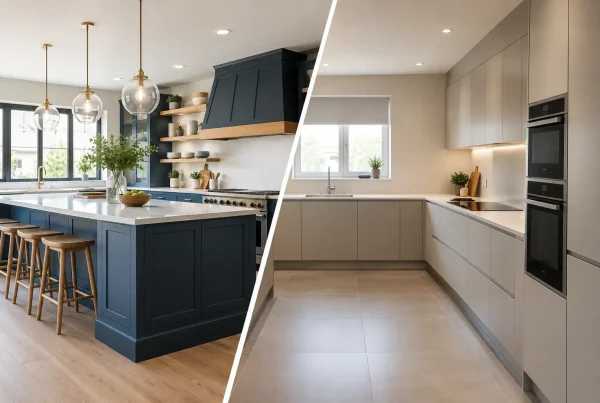
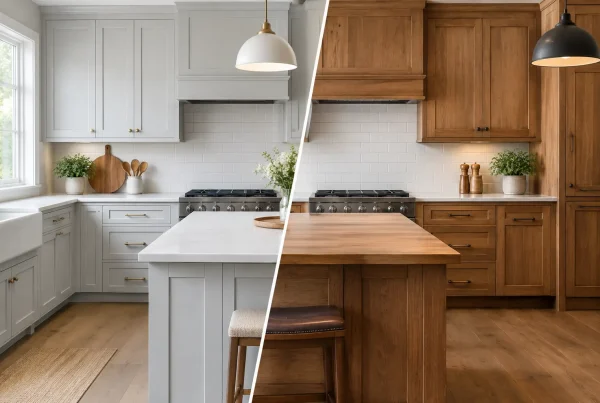
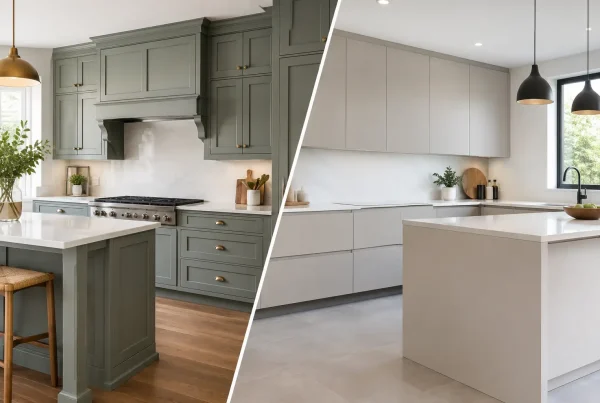
Then spend time with the finishes. Painted doors can bring softness and character, especially in traditional or countryside settings, while wood grain can introduce warmth and depth. Contemporary kitchens may favour clean lines, matt finishes and discreet detailing. Neither approach is inherently better. The right choice depends on the architecture of your home, the light in the room and the atmosphere you want to create.
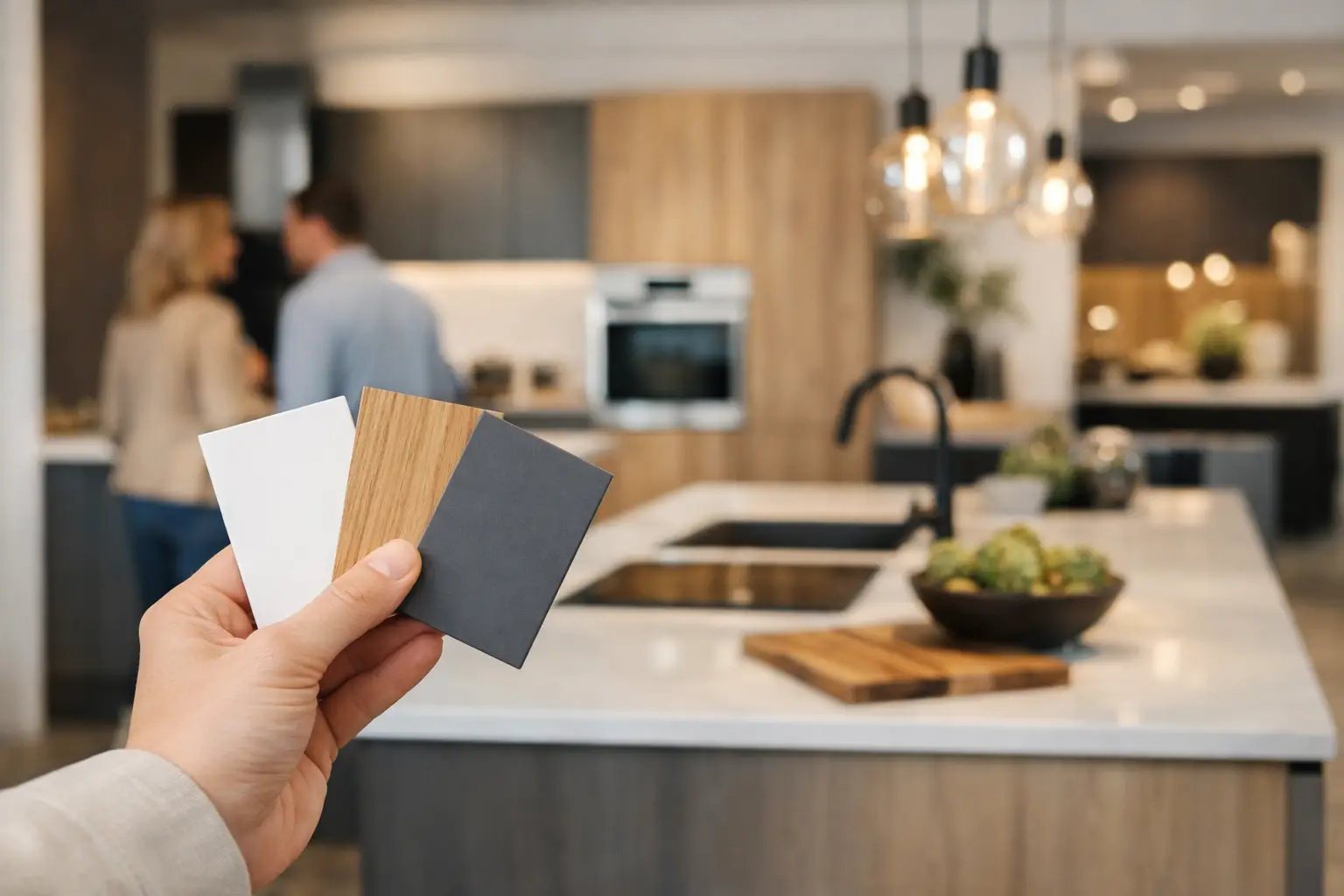
Worktops deserve equally close attention. Natural stone has distinctive movement and a luxurious presence, but it may require more care than a high-quality engineered alternative. A pale surface can make a compact room feel more open, while a darker material can add drama and definition. Ask to see samples beside cabinet colours, flooring and splashback options rather than making each decision in isolation.
Lighting is often overlooked until late in a project, despite its ability to change the whole room. Notice how task lighting works around preparation areas, how feature lighting defines an island or dining space, and how the display feels under different levels of illumination. A kitchen should be practical on a winter morning and inviting when friends stay for supper.
Ask about the design process, not just the products
Two showrooms can present similar-looking kitchens while offering very different experiences once work begins. The most important questions are often about process: who measures the space, how the design is developed, what happens when existing services need moving, and who takes responsibility for the installation.
A managed service can remove a great deal of pressure from a renovation. Rather than homeowners coordinating deliveries, fitters, electricians, plumbers and finishing trades, the project is planned as a whole. This is particularly valuable where a kitchen involves structural changes, uneven walls, older properties or a detailed combination of cabinetry, appliances and lighting.
Ask how the team approaches site issues and changes. No renovation is completely without surprises, especially in period homes. What matters is not the promise of a problem-free project, but clear communication and careful decision-making when something unexpected arises.
At Lakeland Bespoke Interiors, the showroom appointment is designed to begin that conversation properly: with your room, your style and the practical demands of your home at the centre of the discussion.
Consider the room beyond the cabinets
The strongest kitchens feel connected to the rest of the home. A statement island may be right for a generous open-plan space, but it can overwhelm a smaller room or interrupt an important view. Likewise, wall-to-wall cabinetry may offer impressive storage, yet a more relaxed composition with open shelving or a freestanding piece can be better suited to a characterful property.
This is where scale becomes essential. Stand back from showroom displays and consider their proportions. A large island can look perfectly balanced in a spacious showroom but need careful resizing in your home. The same applies to tall banks of cabinetry, oversized pendant lights and wide appliances.
Think, too, about circulation. You should be able to move easily between the fridge, sink and hob, open drawers without blocking a walkway, and pass through the room when someone is cooking. Good design makes these practical considerations feel effortless, but they deserve attention from the first layout conversation.
Do not make a decision under pressure
A showroom visit should leave you better informed, not hurried. Take samples home where possible and view them at different times of day. The soft grey that looked perfect beneath showroom lighting may appear cooler in a north-facing room, while an oak finish can take on a richer tone beside your existing flooring.
It is sensible to compare quotations, but compare the scope as carefully as the figure at the bottom. Check what is included in the design, supply, delivery, installation, appliance fitting, worktop templating and finishing work. A lower initial price may not represent better value if important elements are left for you to organise separately.
Equally, do not judge a proposal solely on the number of cupboards. A well-designed kitchen can use fewer, better-positioned units to create a calmer and more functional room. Quality, fit and thoughtful planning will usually matter long after a fashionable feature has lost its appeal.
Make your showroom appointment count
Bring rough measurements if you have them, along with photographs of the current room and adjacent spaces. Mention any features that must remain, such as a range cooker, a favourite dresser, a window seat or architectural detail. If you are renovating a home in Cumbria, the Lake District, Dumfries and Galloway or Northumberland, photographs can also help a designer understand the property’s setting and character before a site visit.
Most importantly, be candid about how you want the finished room to feel. Whether your preference is quietly classic, confidently contemporary or somewhere between the two, the best showroom conversation is one that turns that instinct into a kitchen made for everyday life. Book time when you can browse without rushing, and let the details guide the decisions that will shape your home for years to come.